
What is shoujo manga? Shoujo manga (少女漫画) is a category of Japanese comics created for young girls, typically ages 7 to 19. While it is often associated with romance, shoujo manga also spans fantasy, sci fi, and slice of life storytelling. These series spotlight love, relationships, self discovery, and emotional depth, often brought to life through expressive artwork and a perspective shaped by how young women see the world. Let’s explore all you need to know about shoujo manga with HariManga, from classic tropes to modern favorites, including iconic titles like Sailor Moon.
What Is Shoujo Manga and Who Is It For?
Shoujo manga (少女漫画) is defined by its intended audience, not one fixed genre. In Japan, publishers label series by demographic categories like shoujo or shonen. That label guides editorial choices, marketing, and magazine placement. This is why “what is shoujo manga” has a clear industry meaning.
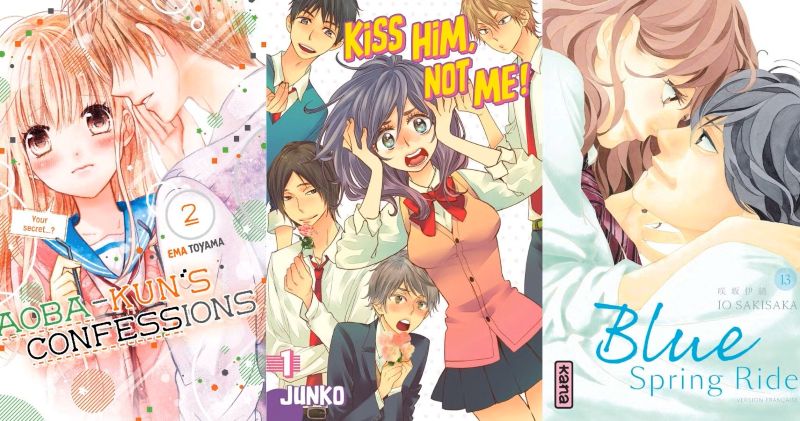
Most shoujo manga targets preteen and teenage girls, but readers are not limited by age. Many adults enjoy shoujo manga for its warmth and emotional precision. New readers also like its approachable pacing and character focus. The demographic label explains the perspective more than the content.
When people ask “what is shoujo manga,” they often expect a romance definition. Romance is common, yet shoujo manga is broader than love stories. It can be comedic, dramatic, or adventurous, depending on the series. The core is usually how characters feel and grow.
Shoujo Manga as a Demographic Category
What is shoujo manga as a category in Japanese publishing? It is a demographic label that signals who the story is primarily written for. Editors use it to match stories with the right magazine audience. That process shapes what gets serialized and promoted.
Shoujo manga tends to highlight inner thoughts and emotional turning points. Scenes often slow down to show hesitation, hope, or fear. This creates intimate storytelling that feels personal to readers. It is a major reason shoujo manga stands out.
Even within shoujo manga, the tone can vary widely. Some series are gentle and comforting, with small everyday conflicts. Others are intense, with heavy themes and complicated relationships. The label stays the same, but the reading experience changes.
How Publishers Shape Shoujo Manga
Publishers influence shoujo manga through magazine formats and chapter pacing. Serialized chapters need steady hooks and emotional beats. That structure encourages strong cliffhangers and satisfying scene endings. It also builds reader loyalty over time.
Shoujo manga magazines historically opened doors for many creators. As more publications appeared, more artists found audiences. That growth increased variety in themes and art styles. It helped shoujo manga expand beyond one formula.
Over decades, more women became shoujo manga creators and editors. Their perspectives broadened character voices and emotional realism. Romantic comedy became more visible and widely loved. This evolution still shapes modern shoujo manga today.
What Readers Look For in Shoujo Manga?
Readers often come to shoujo manga for emotional connection. They want characters who feel real, even in fantastical settings. Small moments like confessions or misunderstandings can feel powerful. That intensity is a signature of shoujo manga.
What is shoujo manga visually for many fans? It is expressive art that communicates mood quickly. Faces show subtle shifts in emotion, not just big reactions. Backgrounds may use flowers, sparkles, or soft textures for tone. The art supports feeling, not only action.
Shoujo manga also rewards readers who enjoy character development. Relationships evolve through conversation, conflict, and self reflection. Personal goals and identity questions often matter as much as romance. This makes shoujo manga satisfying across many moods.
Why Shoujo Manga Is So Popular Worldwide?
Shoujo manga grew faster once shoujo focused magazines multiplied and reached more readers. More magazines meant more chances to publish new voices and fresh ideas. The industry boom also encouraged experimentation with themes and formats. Popularity increased as variety increased.
Another driver is the genre’s emotional clarity and honesty. Shoujo manga explains why characters act the way they do. Readers see insecurity, jealousy, excitement, and regret on the page. That transparency makes stories easy to understand and deeply felt.
Shoujo manga also travels well across cultures because emotions are universal. Even when settings are Japanese schools, feelings are familiar. Many fans use shoujo manga as comfort reading during stressful periods. The stories often leave readers hopeful.
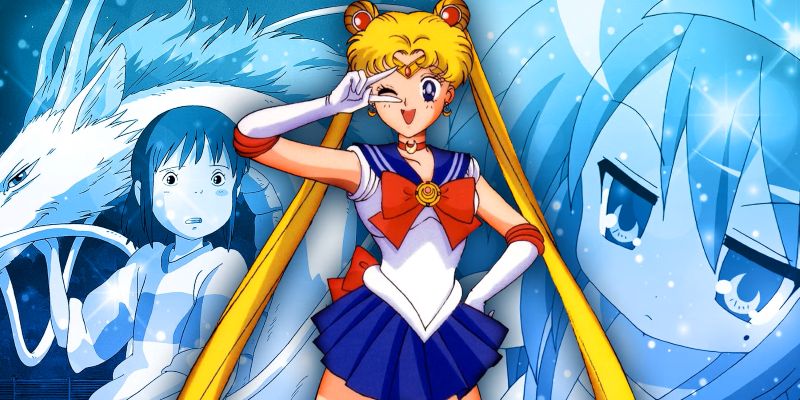
Emotional Storytelling That Feels Personal
What is shoujo manga’s biggest strength for global readers? It makes inner life feel vivid and meaningful. Characters reflect, overthink, and learn from mistakes. Those details help readers feel seen and understood.
Shoujo manga often focuses on relationships in many forms. Romance matters, but friendships and family ties matter too. Stories may explore trust, boundaries, and self respect. That range keeps the drama grounded and relatable.
Many series also use quiet pacing to build emotional payoff. A single glance can carry tension across several pages. When the breakthrough arrives, it feels earned and satisfying. This is why shoujo manga is so bingeable.
Art Style That Supports Mood and Memory
Shoujo manga art is designed to communicate emotion quickly. Panels may linger on eyes, hands, or small expressions. Fashion details can reflect personality and confidence shifts. These choices make characters memorable.
Symbolic backgrounds are also common in shoujo manga. Soft patterns can suggest romance, vulnerability, or longing. Visual metaphors make emotional scenes easier to feel. They also give the genre a distinctive aesthetic identity.
Because the art supports emotion, it invites rereading. Readers return to favorite chapters for mood and comfort. Beautiful page composition can feel like a visual soundtrack. This helps shoujo manga stay popular for years.
Community, Trends, and Genre Evolution
Shoujo manga popularity is reinforced by strong fan communities. Fans share recommendations, favorite couples, and memorable scenes. That discussion creates social proof for new readers. It also keeps older series alive.
The genre keeps evolving through new subgenres and settings. Magical girl stories influenced generations of fans worldwide. Romantic comedy trends shift with modern dating expectations. Slice of life stories now cover careers, art, and personal ambition.
At HariManga, we see new readers start with trends, then explore classics. That journey is part of the fun of shoujo manga. The genre welcomes beginners and rewards curiosity. It stays relevant because it keeps changing.
Common Themes and Subgenres in Shoujo Manga
What is shoujo manga usually about at its core? It often centers on identity, relationships, and the challenges of growing up. Romance is common, but it is rarely just about dating. Many plots emphasize emotional maturity and self understanding.
Shoujo manga also balances idealism with realism. Stories can be light, sweet, and funny, with heartwarming endings. Other series explore darker feelings like grief or betrayal. The emotional range is wider than many expect.
Subgenres help readers find the right tone quickly. Some prefer comedy and school crushes, while others prefer fantasy worlds. Many readers mix subgenres based on mood and stress levels. Shoujo manga makes this kind of mood reading easy.
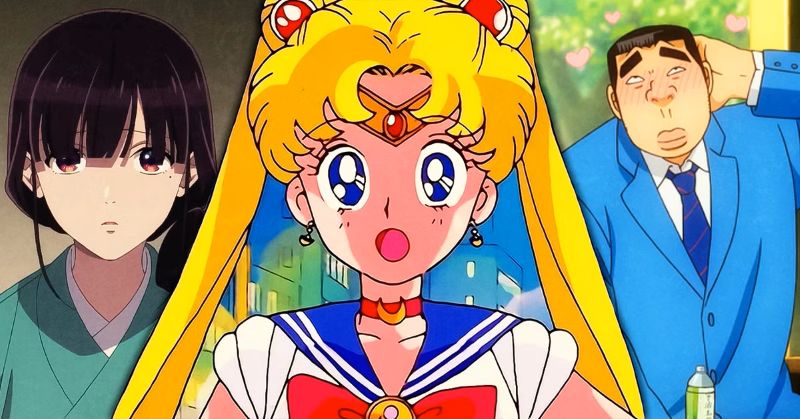
Romance That Focuses on Growth
Romance in shoujo manga often develops through personal change. Characters learn what they want and what they will not accept. Love becomes a mirror for self discovery and confidence. That is why the romance feels meaningful.
Many stories use familiar romantic tropes with emotional nuance. Rivals can become partners after honest vulnerability. Childhood friends can face new feelings and fear of change. Slow burn pacing builds tension without forcing drama.
Even when romance is central, relationships are not the only focus. Characters often have hobbies, goals, and personal struggles. That balance keeps the story from feeling one dimensional. It also makes the romance more believable.
Magical Girl and Fantasy Shoujo Manga
Magical girl stories are one of the most iconic shoujo manga paths. They combine friendship, courage, and transformation into a strong formula. Fantasy settings give characters room to grow in symbolic ways. Many readers remember these stories for life.
In fantasy shoujo manga, romance often exists beside adventure. Characters may fight monsters while managing first love and fear. Stakes can be high, yet emotions remain central. That blend makes fantasy shoujo manga distinctive.
Series like Cardcaptor Sakura show how gentle stories can still be exciting. Magic becomes a tool for exploring responsibility and care. Relationships matter as much as the quest. This is a classic example of shoujo manga flexibility.
Slice of Life, School Life, and Romantic Comedy
Slice of life shoujo manga focuses on everyday emotions and small wins. School settings allow close friendships and relatable pressure. Readers often enjoy the comfort of familiar routines. These stories feel warm and easy to revisit.
Romantic comedy became especially popular as more women created shoujo manga. Humor softened drama and made romance more playful. Misunderstandings and awkward moments create charm. The best series also add genuine emotional learning.
Modern shoujo manga settings have expanded beyond school. Many series now explore college, work, and creative careers. That shift attracts older readers and broadens the audience. It also refreshes what shoujo manga can be.
Popular Shoujo Manga Recommendations to Start With
If you ask “what is shoujo manga,” reading standout titles is the fastest answer. Great series show the genre’s emotional depth and narrative variety. Classics shaped expectations, while newer titles refresh the tone. Together, they explain why fans stay loyal.
These recommendations cover different flavors of shoujo manga. Some lean into psychological drama and melodrama. Others focus on comedy, growth, and relationship honesty. Each one offers a clear entry point for beginners.
At HariManga, we suggest starting with one title that matches your mood. Then try a different subgenre to compare the vibe. This keeps reading fresh and prevents burnout. It also helps you find your personal shoujo manga lane.
1. Mars
Mars is a strong choice for romance with psychological tension and drama. It follows Kira Asou, a shy artist, and Rei Kashino, a rebellious racer. Their bond forms through vulnerability and mutual curiosity. The story builds intensity without losing tenderness.
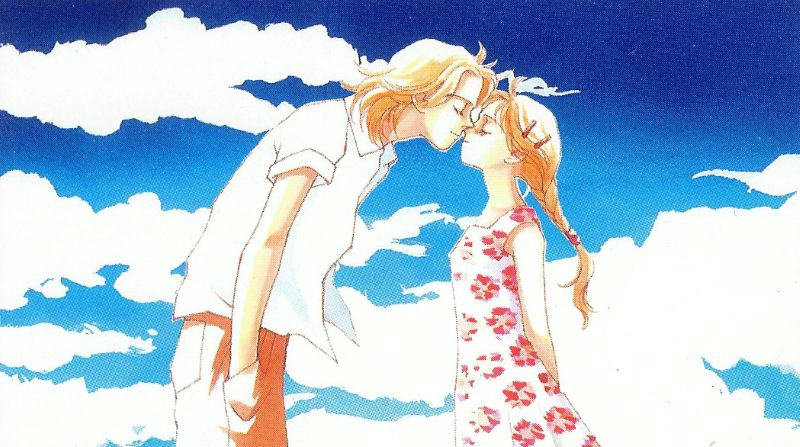
Kira’s quiet personality makes her growth feel realistic. Rei’s confidence hides emotional damage and complicated needs. Their relationship becomes a space for healing and trust. This is why Mars is often praised for emotional weight.
If you like character driven romance, Mars delivers. It mixes slice of life moments with heavy themes and mature feelings. The pacing keeps readers invested in each emotional turn.
2. His and Her Circumstances
His and Her Circumstances blends romance with comedy and self reflection. Yukino Miyazawa seems perfect, but she is secretly vain and insecure. Soichiro Arima challenges her image and her sense of control. That conflict sparks growth and intimacy.
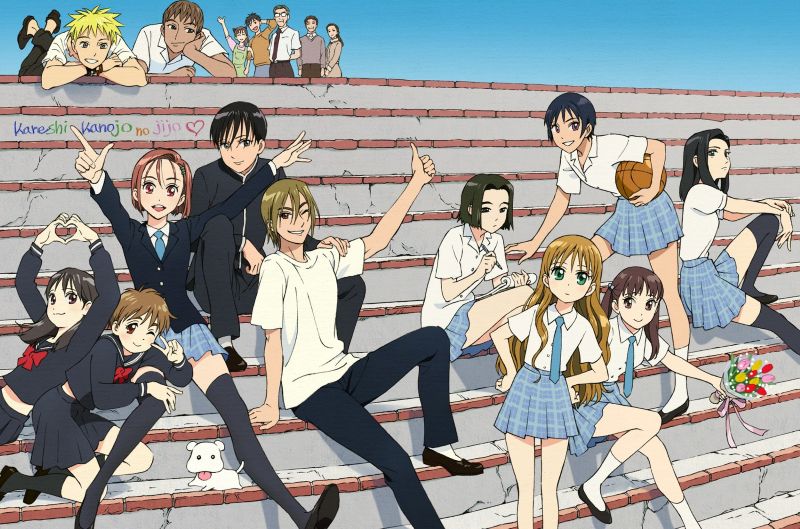
The series explores performance versus authenticity. Yukino learns to face who she is without constant praise. Soichiro’s calm exterior also hides pressure and loneliness. Their relationship becomes a lesson in honesty and acceptance.
If you enjoy smart romantic comedy, this is a great start. The story balances humor with real emotional progress. It also shows strong character writing in everyday settings. Many readers still call it a defining shoujo manga romance.
3. Choking on Her Love
Choking on Her Love offers a modern romantic comedy at an art school. Hibari Akanishi juggles work, study, and a demanding design project. She believes love will only distract her goals. Then she meets Gaku Sausei, an eccentric musician and classmate.

Their personalities clash, creating lively chemistry. Hibari is structured and stressed, while Gaku is impulsive and expressive. The relationship grows through conflict, curiosity, and shared creative energy. This makes the romance feel contemporary and fun.
If you like enemies to lovers tension, this series fits well. It also speaks to readers balancing ambition and connection. The art school setting adds freshness to typical romance beats.
Why Shoujo Manga Is Influential in Manga Culture?
What is shoujo manga’s influence beyond entertainment? It gives young readers language for emotions and relationships. It explores adolescence with empathy and nuance. That focus has shaped storytelling across manga demographics.
Shoujo manga also changed how comics depict inner life. It made introspection, romantic tension, and emotional symbolism mainstream. Stories proved that feelings can create suspense like action scenes. That legacy still affects modern manga writing.
The genre remains influential because it keeps adapting to new readers. Themes expand as society changes and audiences diversify. New settings and tones keep the category alive. Shoujo manga stays important because it stays responsive.
Representation and Emotional Education
Shoujo manga often centers girls as full protagonists, not side characters. It takes their feelings and choices seriously on the page. That representation can be empowering for younger readers. It also invites empathy from all readers.
Many stories function like emotional education without feeling preachy. Readers watch characters learn boundaries and communication. Mistakes feel natural, not forced for plot. This makes growth arcs feel credible.
Shoujo manga also validates sensitive emotions. It treats longing, insecurity, and excitement as meaningful experiences. That validation is a major reason fans stay loyal.
Genre Impact Across the Industry
Shoujo manga influenced paneling, pacing, and symbolic art styles. Many creators borrowed its techniques for emotional emphasis. Even action genres now use similar close ups and mood cues. The impact goes beyond shoujo magazines.
It also pushed romance storytelling forward in manga. Relationships became more layered and psychologically grounded. Comedy and drama learned to coexist inside one romance arc. This helped romance gain respect as serious storytelling.
Because of this influence, shoujo manga is often a reference point. Readers compare new romances to shoujo classics. Creators cite shoujo inspirations for emotional scenes. The genre remains a core pillar of manga culture.
Global Fandom and Modern Reading Habits
Global fandom helped spread shoujo manga through recommendations and community discussion. Readers share favorite couples and emotional chapters online. This creates constant discovery for new audiences. It also keeps older titles relevant.
Modern readers also use shoujo manga as comfort media. Short chapters and strong feelings fit busy schedules. Many people read to relax, then reread favorite scenes later. This habit supports long term popularity.
With HariManga, you can explore shoujo manga by mood and subgenre. We curate picks from light romance to heavier drama. If you came here asking “what is shoujo manga,” start with one title today. Once you find your vibe, shoujo manga becomes a go to comfort genre.
FAQs
1. What is shoujo manga, and is it only romance?
Shoujo manga is a demographic label for manga aimed at girls ages 7 to 19. Romance is common, but you’ll also find fantasy, sci fi, and slice of life.
2. What is shoujo manga compared to shonen manga?
Shoujo manga usually highlights emotions, relationships, and character growth. Shonen manga typically leans more toward action, battles, and competition.
3. What is shoujo manga a good starting point for beginners?
If you’re new to shoujo manga, start with accessible favorites like Mars, His and Her Circumstances, and Choking on Her Love. These cover different tones, from drama to romantic comedy.
