
In manga, dots placed next to Japanese characters, known as bōten (傍点) or kentō (圏点), serve an important typographic function. They are used to emphasize certain words, phrases, or emotions, similar to how italics or bold are used in English. These dots help add meaning and tone, guiding the reader to understand the significance of specific words. At HariManga, we explore these visual cues to help manga fans better appreciate the subtleties behind the unique writing style of manga.
Understanding the Function of Dots in Manga
The dots next to Japanese characters in manga are not just for decoration; they play a crucial role in how the text is read. These marks, known as bōten or kentō, are typically placed above or beside the characters. Their main purpose is to provide emphasis, similar to the use of italics in English to highlight specific words. For example, if a character is speaking with exaggerated emotion or intensity, these dots help convey that feeling, making the dialogue feel more powerful and intentional.
What Do Dots Next to Japanese Characters Mean in Manga?
These dots can also slow down the pace of a sentence, giving the impression that the character is taking their time to speak or emphasizing their words. Unlike furigana (small characters placed above kanji) used for pronunciation, these dots are purely for dramatic effect. In this way, they can alter the rhythm of the dialogue, influencing how the reader perceives the tone and intent behind the speech.
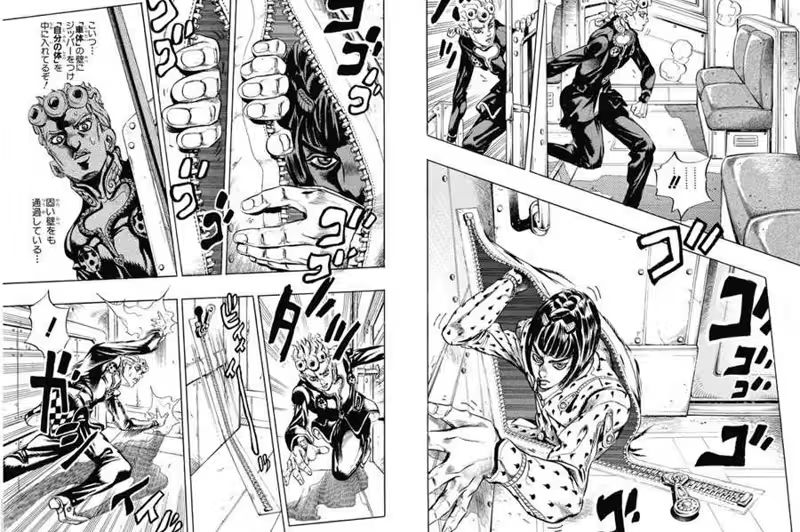
How Bōten and Kentō Affect Manga’s Reading Experience
Bōten and kentō are more than just visual markers; they enrich the reading experience by enhancing the emotional depth of the dialogue. Just like how italics or bolding stand out in English, these dots make certain phrases in manga more prominent by highlighting specific emotions or concepts. When a character is angry, surprised, or trying to communicate something important, these dots emphasize their mood, allowing the reader to connect more deeply with the character’s emotions.
In some instances, bōten can also suggest a sarcastic or teasing tone. When characters use these dots, it can add a playful or mockingly serious undertone to their words, which would be challenging to convey with plain text. This makes bōten and kentō especially valuable in manga, as they help convey not just what a character says but also how they say it.
The Visual and Dramatic Impact of Dots in Manga
The use of dots in manga is a clever way to enhance both the visual appeal and the narrative. Just as visual effects like sound effects or exaggerated expressions highlight action, the bōten and kentō dots serve as a visual cue that amplifies the meaning of the text. These small circles placed next to characters give a sense of urgency or weight to the words, drawing the reader’s attention to important phrases.
These marks are a form of visual storytelling, where typography itself helps convey emotions that might not be explicitly stated in the dialogue. Manga creators use these dots to guide the reader’s interpretation of the scene, much like a film director uses close-ups or camera angles to emphasize certain moments. In this sense, the dots act as both a stylistic choice and a tool to heighten the emotional impact of a scene.
How Dots Influence the Reading Experience in Manga
For manga readers, understanding the role of bōten and kentō adds a layer of depth to the overall reading experience. Once you recognize how these dots influence the tone of speech, they become an integral part of interpreting the story. These subtle features enrich the narrative, allowing readers to grasp not only the literal meaning of the dialogue but also the underlying emotions and emphasis.
Conclusion
In manga, the dots placed next to Japanese characters, known as bōten (傍点) or kentō (圏点), are powerful tools for emphasizing emotions, tone, and pacing. They allow readers to better understand the emphasis behind certain phrases, similar to how italics or bolding work in English. These small yet impactful marks add dramatic flair to manga dialogue, enabling readers to feel the intensity and mood of the conversation. At HariManga, we encourage you to explore these fascinating details as they enrich your manga reading experience.
Frequently Asked Questions
1. What is the purpose of dots in manga?
Dots, known as bōten or kentō, are used to emphasize words, emotions, or phrases in manga. They work like italics or bolding in English, drawing attention to important elements.
2. How do bōten and kentō affect the reading experience?
These dots enhance the emotional depth and pacing of the dialogue. They make key words or phrases stand out, allowing readers to better understand the tone and intent behind the speech.
3. Can bōten or kentō indicate sarcasm or humor in manga?
Yes, bōten can convey sarcasm or a teasing tone. When characters use these dots, it can give their words a playful or mocking feel, adding a layer of meaning to the dialogue.
