
Josei (女性) is a Japanese term that refers to media targeted specifically at adult women, typically ranging from ages 18 to 40+. Unlike shoujo, which caters to younger teens and idealizes romance, josei focuses on realistic, mature themes such as complex relationships, careers, family, and the daily challenges of adulthood. The genre offers a grounded approach to storytelling, providing a “slice-of-life” experience for grown-ups. At HariManga, we explore what makes josei unique and how it resonates with its intended audience.
The Key Characteristics of Josei
Josei is defined by its target audience: adult women. The genre deals with themes that are often overlooked in other genres, including realistic romance, work-life balance, and family dynamics. The stories focus on the complexities of adult life and relationships, offering deeper emotional and psychological exploration. Josei often portrays mature situations, unlike shoujo which tends to idealize romantic relationships.
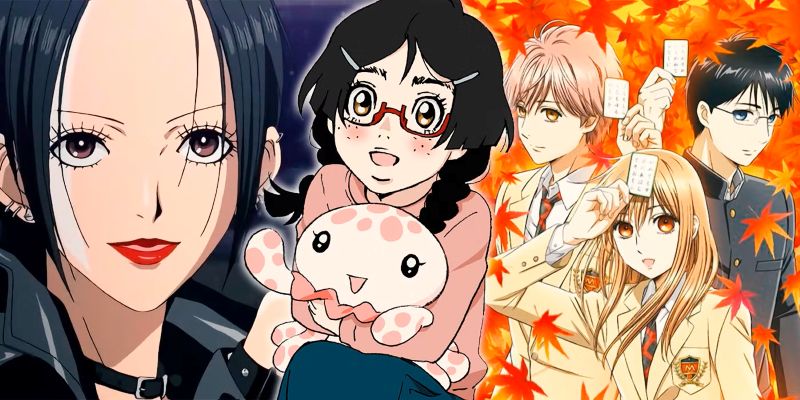
One of the key differences between josei and shoujo is the tone. While shoujo often features fantasy elements and idealized characters, josei keeps things much more grounded and relatable. The stories usually delve into the challenges adults face, such as career pressures, relationship struggles, and the pursuit of personal goals. Characters in josei are often portrayed with more depth, making them feel like real people going through realistic situations.
Themes and Content in Josei
Josei often touches on mature and everyday themes, focusing on emotional journeys and social issues. It emphasizes character development and explores topics like love, loss, and personal growth in a much more realistic way than other genres. The relationships portrayed in josei are typically less about idealized fantasies and more about complex emotional connections. Whether it’s navigating the pressures of a career, balancing relationships, or confronting personal dilemmas, josei offers a mature lens through which these aspects of life are explored.
Unlike genres such as shoujo or shounen, which often revolve around idealistic portrayals of life and romance, josei tackles the realities of adulthood. This can include challenging work environments, handling family responsibilities, or facing difficult personal choices. While the content can sometimes include mature situations, the emphasis is always on creating a relatable, emotionally rich experience that resonates with its audience.
Josei vs. Shoujo: Key Differences
While both josei and shoujo are genres aimed at women, the difference lies in the target age and the themes explored. Shoujo is generally geared towards younger girls, aged between 6 and 18, and often idealizes romance, featuring handsome characters, magical elements, and fantasy worlds. On the other hand, josei is for adult women and deals with more mature, grounded themes like romance, work struggles, and real-life emotional journeys.
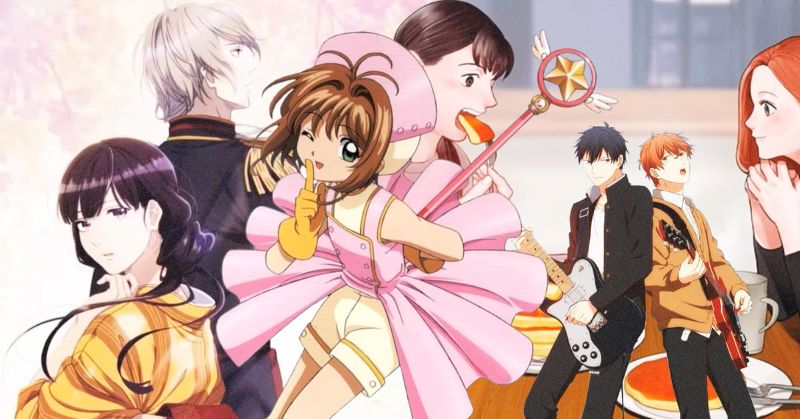
The emotional tone in josei is more complex and nuanced. The characters face realistic obstacles that are relatable to the adult audience, such as navigating careers, relationships, and family responsibilities. In contrast, shoujo tends to focus on more fantasy-driven or idealized romances, which do not always mirror the realities of adult life. The shift from shoujo to josei reflects a natural progression as the audience matures and seeks more meaningful, relatable stories.
Popular Examples of Josei Manga and Anime
Some popular josei titles include Nana, Chihayafuru, Honey and Clover, and Paradise Kiss. These works exemplify the genre’s focus on realistic relationships, complex characters, and deep emotional struggles. Nana, for example, explores themes of love, heartbreak, and personal growth in the backdrop of the music industry. Honey and Clover deals with the challenges of adulthood, including unrequited love and career uncertainty. Each of these works provides a reflection of real-life challenges that resonate deeply with adult women.
These titles often feature strong character development, realistic emotional arcs, and intricate relationships that highlight the beauty and complexity of adult life. The themes of self-discovery, personal struggles, and emotional growth make these works meaningful to josei’s intended audience, who are looking for more than just lighthearted romance.
Conclusion
In conclusion, josei is a genre of manga and anime that speaks to adult women, exploring mature and realistic themes such as relationships, careers, and emotional growth. Unlike the more idealized and fantasy-driven world of shoujo, josei delves deep into the complexities of real life, providing a relatable experience for its audience. From Nana to Honey and Clover, the genre offers an insightful and grounded portrayal of adult life, making it a unique and beloved category in the world of manga and anime. At HariManga, we are excited to continue exploring josei and other genres that provide compelling narratives for a diverse audience.
FAQs
1. What is the main difference between shoujo and josei?
The main difference lies in the target audience and themes. Shoujo is for younger girls and idealizes romance, while josei is for adult women and focuses on realistic, mature themes.
2. What age group is josei meant for?
Josei is primarily targeted at adult women, typically aged 18 to 40+.
3. Can you recommend some popular josei manga?
Some well-known josei manga include Nana, Honey and Clover, Paradise Kiss, and Chihayafuru. These titles focus on real-life relationships and challenges.
