
Isekai (異世界), which translates to “another world” in Japanese, is a popular genre in anime, manga, light novels, and games. This genre revolves around a protagonist who is transported from their ordinary world to a completely new, often fantastical realm. The new world could be a fantasy kingdom, a parallel universe, or even a video game world. Isekai stories frequently involve the protagonist gaining special powers or abilities to navigate through challenges, offering them a second chance at life. At HariManga, we explore what makes isekai such a beloved genre in modern fiction.
The Core Concept of Isekai
The main appeal of isekai lies in the protagonist’s transition from their normal life to an unfamiliar world. Whether through reincarnation, summoning, or even being trapped in a virtual world, the character embarks on an adventure that involves survival, discovery, and often personal growth. These transitions frequently give the protagonist new powers or knowledge that allow them to thrive in their new environment. The genre’s central theme often includes starting over in a world where the rules and dynamics are entirely different, offering a fresh perspective on life and the challenges it brings.
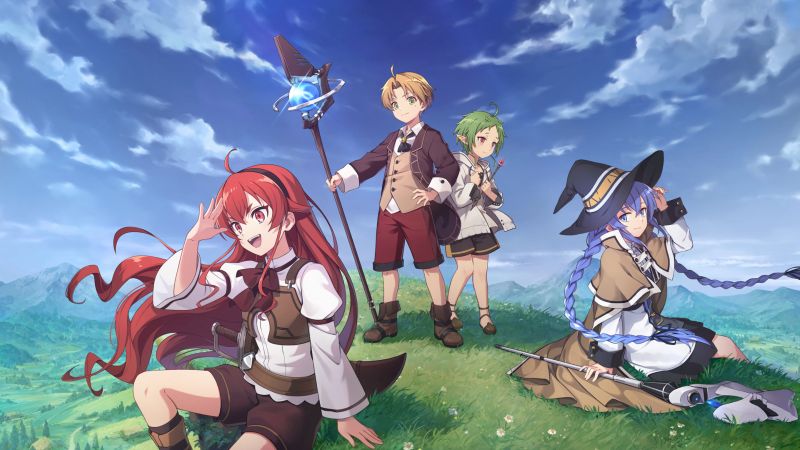
The setting of the new world is crucial in isekai stories, as it often features elements of magic, mythical creatures, and even game-like mechanics such as stats, levels, and quests. This helps immerse the audience into a world that feels both new and exciting, with endless possibilities. The protagonist’s journey is one of both adventure and self-discovery, as they learn to master their newfound abilities and interact with the beings in this strange world.
Key Characteristics of Isekai Stories
Isekai stories share several defining characteristics that make them stand out. First, transportation or reincarnation is a key plot device. Characters either get summoned by powerful beings, die and are reborn in a new world, or find themselves trapped within a video game or parallel universe. This transportation to another world allows the protagonist to start anew, often with the added benefit of unique powers or abilities.
The second characteristic is the setting of the new world. Isekai settings are often magical or fantasy-based, with the protagonist encountering creatures like dragons, demons, and otherworldly beings. Some isekai worlds even resemble a video game, where characters level up, gain skills, and embark on quests. This unique environment provides endless opportunities for world-building, adding layers of depth to the story as the protagonist explores their surroundings and uncovers secrets.
Another defining characteristic is the protagonist’s advantage. Often, the hero brings knowledge or skills from their previous world that give them an edge in the new one. Whether it’s modern technology, strategic thinking, or even knowledge of video game mechanics, these advantages help the protagonist excel in their new environment. Overpowered heroes, world-building, and quests are common tropes in isekai, making it a thrilling and dynamic genre for audiences.
Popular Examples of Isekai
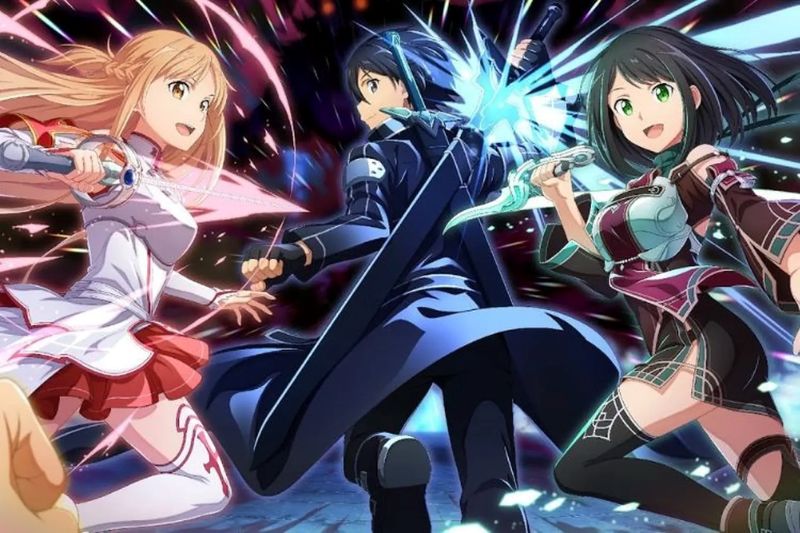
Isekai has become a dominant genre in recent years, with popular anime and manga titles like Sword Art Online, Re:Zero, That Time I Got Reincarnated as a Slime, and Mushoku Tensei leading the charge. These modern examples have helped bring isekai into the mainstream, attracting fans with their captivating stories, strong protagonists, and immersive worlds. Each of these series brings something unique to the genre, from virtual reality adventures to reincarnated heroes, and they all share the common theme of characters being transported to alternate worlds.
While isekai as a genre has evolved, its roots can be traced back to older influences. Stories like Alice in Wonderland, The Wizard of Oz, and Peter Pan all feature protagonists who travel to fantastical realms. These early stories paved the way for modern isekai, which takes these concepts and adds more complex world-building and character development.
Why is Isekai So Popular?
The rise of isekai can be attributed to its ability to provide an escape from the ordinary. Readers and viewers are drawn to the concept of a protagonist being given a second chance in a new world where they can grow, discover new powers, and overcome challenges. The genre often focuses on personal transformation, as the hero learns to adapt to their new surroundings and face the trials that come with it. Isekai stories offer both adventure and emotional depth, making them appealing to a wide range of audiences.
Another reason for isekai’s popularity is its versatility. The genre can be combined with other themes such as romance, action, drama, and even comedy, allowing for a diverse range of stories. This flexibility keeps isekai fresh and exciting, with new and unique twists on the genre being introduced regularly.
Conclusion
Isekai is a genre that has captured the imagination of audiences worldwide. With its core concept of a protagonist being transported to a new world, it offers an escape into realms filled with magic, adventure, and new beginnings. Whether through reincarnation, summoning, or getting trapped in a virtual world, isekai gives characters a second chance at life, often granting them powers or knowledge to help them survive and thrive. At HariManga, we are committed to exploring the world of isekai and other genres that captivate manga and anime fans. Stay tuned for more insights as we continue to dive into the fascinating worlds of fiction.
FAQs
1. What is the main concept of isekai?
Isekai is a genre where a protagonist is transported to another world, often a fantasy or game-like realm, where they gain new powers to navigate challenges.
2. What are some popular examples of isekai?
Some well-known isekai series include Sword Art Online, Re:Zero, That Time I Got Reincarnated as a Slime, and Mushoku Tensei.
3. Why is isekai so popular?
Isekai offers an escape from the ordinary, providing protagonists with second chances in new worlds, along with exciting adventures, magical elements, and personal transformation.
